
In recent years, the importance of nature in promoting well-being has gained significant attention, particularly in the context of healthcare workers. These professionals often face immense stress and emotional strain due to the demands of their jobs, which can lead to burnout and mental health challenges. As a result, there is a growing recognition of the need for effective recovery strategies that not only address these issues but also promote overall health.
Nature, with its calming presence and restorative qualities, has emerged as a powerful ally in this journey toward recovery. The connection between nature and health is not merely anecdotal; research supports the idea that spending time in natural environments can have profound effects on mental and physical well-being. For healthcare workers, who are frequently exposed to high-stress situations, the integration of nature into recovery programs can provide a much-needed respite.
By understanding how nature influences health, we can better advocate for the inclusion of natural elements in recovery strategies tailored specifically for those in the healthcare field.
Key Takeaways
- Nature plays a crucial role in the recovery of healthcare workers, offering a range of mental and physical health benefits.
- Exposure to nature has a positive impact on the mental health of healthcare workers, reducing stress, anxiety, and depression.
- Spending time in nature can improve physical health and overall well-being, leading to reduced sick leave and improved job satisfaction for healthcare workers.
- Nature should be incorporated into healthcare worker recovery programs through activities such as outdoor therapy, gardening, and nature walks.
- Nature plays a key role in stress reduction and burnout prevention for healthcare workers, offering a natural and effective way to recharge and rejuvenate.
The Impact of Nature on Mental Health for Healthcare Workers
The mental health of healthcare workers is a critical concern, especially in light of the challenges posed by demanding work environments. Studies have shown that exposure to nature can significantly reduce symptoms of anxiety, depression, and stress. For healthcare professionals who often experience emotional fatigue from their roles, spending time outdoors or engaging with natural settings can serve as a therapeutic escape.
The sights, sounds, and smells of nature can evoke feelings of tranquility and peace, allowing individuals to recharge mentally. Moreover, nature has been found to enhance cognitive function and creativity. For healthcare workers who must make quick decisions and solve complex problems daily, a brief immersion in a natural environment can lead to improved focus and clarity.
This cognitive boost can be particularly beneficial during high-pressure situations, enabling professionals to perform at their best while also safeguarding their mental health. By fostering a connection with nature, healthcare workers can cultivate resilience against the emotional toll of their demanding roles.
The Benefits of Nature for Physical Health and Well-being
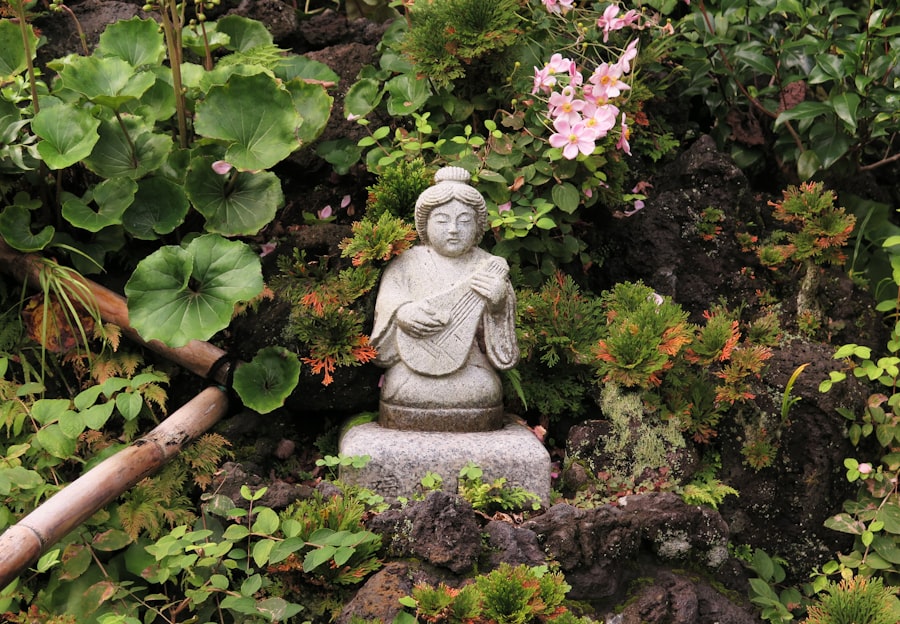
The benefits of nature extend beyond mental health; they also encompass physical well-being. Engaging with natural environments has been linked to various positive health outcomes, including lower blood pressure, improved immune function, and reduced inflammation. For healthcare workers who often neglect their own health while caring for others, incorporating nature into their recovery routines can be a vital step toward maintaining physical vitality.
Physical activity in natural settings, such as walking or hiking, not only promotes cardiovascular health but also encourages a more active lifestyle. This is particularly important for healthcare professionals who may find themselves sedentary during long shifts. Nature provides an inviting backdrop for exercise, making it easier for individuals to engage in physical activity that benefits both their bodies and minds.
By prioritizing time spent outdoors, healthcare workers can enhance their overall well-being and better equip themselves to handle the rigors of their profession.
Incorporating Nature into Healthcare Worker Recovery Programs
To effectively harness the benefits of nature for healthcare worker recovery, it is essential to incorporate natural elements into existing recovery programs. This can take many forms, from creating green spaces within healthcare facilities to organizing outdoor retreats focused on relaxation and rejuvenation. By integrating nature into recovery initiatives, organizations can foster an environment that supports healing and well-being.
One innovative approach is the development of nature-based therapy programs that encourage healthcare workers to engage with their surroundings actively. Activities such as gardening, nature walks, or mindfulness exercises in parks can provide opportunities for relaxation and reflection. These programs not only promote physical activity but also create a sense of community among participants, fostering social connections that are vital for emotional support.
By prioritizing nature in recovery programs, healthcare organizations can demonstrate their commitment to the well-being of their staff.
The Role of Nature in Stress Reduction and Burnout Prevention
Stress reduction is a crucial component of any recovery strategy for healthcare workers. The fast-paced and often emotionally charged environment in which they operate can lead to chronic stress levels that are detrimental to both mental and physical health. Nature has been shown to play a significant role in mitigating stress responses, providing a sanctuary where individuals can unwind and recharge.
Research indicates that even brief interactions with nature can lead to measurable reductions in stress hormones such as cortisol. For healthcare workers facing daily challenges, incorporating moments of nature exposure into their routines can serve as an effective buffer against burnout. Whether it’s taking a short walk during breaks or simply enjoying a view of greenery from a window, these small acts can contribute to a more balanced and resilient mindset.
By recognizing the role of nature in stress reduction, healthcare organizations can empower their staff to prioritize self-care and well-being.
Case Studies and Success Stories of Nature-based Recovery for Healthcare Workers

Numerous case studies highlight the positive impact of nature-based recovery initiatives on healthcare workers. For instance, a hospital in California implemented a program that encouraged staff to participate in outdoor mindfulness sessions during their breaks. Feedback from participants revealed significant improvements in mood and overall job satisfaction.
Many reported feeling more connected to their colleagues and better equipped to handle the demands of their roles after spending time outdoors. Another success story comes from a nursing home that introduced gardening therapy as part of its staff wellness program. Healthcare workers were given the opportunity to cultivate plants and flowers on-site, leading to increased engagement and camaraderie among staff members.
Participants noted that tending to the garden provided them with a sense of purpose and accomplishment while also serving as a therapeutic outlet for stress relief. These examples illustrate how integrating nature into recovery programs can yield tangible benefits for healthcare professionals.
Practical Ways to Integrate Nature into Healthcare Worker Recovery Plans
Integrating nature into recovery plans for healthcare workers does not have to be complex or costly. Simple yet effective strategies can make a significant difference in promoting well-being. One practical approach is to create designated green spaces within healthcare facilities where staff can take breaks or engage in relaxation activities.
Incorporating plants indoors can also enhance the environment, providing calming visuals and improving air quality. Additionally, organizations can encourage outdoor activities by organizing regular team-building events in natural settings. Activities such as hiking, picnicking, or participating in community clean-up efforts not only promote physical health but also foster teamwork and camaraderie among staff members.
Providing resources for mindfulness practices that incorporate nature—such as guided meditation sessions held outdoors—can further enhance the recovery experience for healthcare workers.
The Future of Nature-based Recovery for Healthcare Workers
As we look toward the future, it is clear that the integration of nature into recovery strategies for healthcare workers holds immense potential. The evidence supporting the benefits of nature on mental and physical health continues to grow, underscoring the need for organizations to prioritize these elements in their wellness programs. By advocating for nature-based recovery initiatives, we can create healthier work environments that support the well-being of those who dedicate their lives to caring for others.
Incorporating nature into recovery plans not only benefits individual healthcare workers but also enhances overall workplace culture. As organizations recognize the importance of supporting their staff’s mental and physical health, they will be better equipped to retain talent and improve job satisfaction among employees. Ultimately, embracing the healing power of nature will pave the way for a more resilient and fulfilled workforce in the healthcare sector—one that is better prepared to meet the challenges ahead while providing exceptional care to patients.