
Creativity is often perceived as a trait reserved for artists, musicians, and writers. However, its significance extends far beyond the realm of traditional art forms, particularly in the field of healthcare. In an environment where the stakes are high and the challenges are complex, creativity emerges as a vital component that can enhance patient outcomes, improve professional training, and foster a more holistic approach to care.
The integration of creative thinking into healthcare practices not only enriches the experiences of patients but also empowers healthcare professionals to innovate and adapt in an ever-evolving landscape. The healthcare sector is characterized by its dynamic nature, where new technologies, treatment modalities, and patient needs continuously reshape the landscape. In this context, creativity serves as a catalyst for problem-solving and innovation.
It encourages healthcare providers to think outside the box, leading to novel approaches that can significantly improve the quality of care. By embracing creativity, healthcare professionals can develop solutions that are not only effective but also resonate with the emotional and psychological needs of their patients.
Key Takeaways
- Creativity in healthcare is essential for innovation and problem-solving in patient care.
- Creativity has a significant impact on patient care by improving outcomes and experiences.
- Healthcare professional training should incorporate creativity to encourage critical thinking and adaptability.
- Creativity plays a crucial role in therapeutic interventions, allowing for personalized and effective treatments.
- Fostering creativity in healthcare settings can lead to a more dynamic and patient-centered approach to care.
The Impact of Creativity on Patient Care
Enhancing Communication and Patient Engagement
Using storytelling as a tool in patient interactions can help bridge the gap between clinical jargon and patient understanding. This approach allows patients to engage more fully in their care, fostering a sense of ownership over their health journey.
Reducing Anxiety and Promoting Healing
Creative interventions can alleviate anxiety and promote healing. Art therapy, music therapy, and other expressive modalities have been shown to reduce stress levels in patients facing serious illnesses. These creative outlets provide individuals with a means to express their feelings and cope with their circumstances in a supportive environment.
Creating a Compassionate Care Environment
By integrating such practices into standard care protocols, healthcare providers can create a more compassionate atmosphere that prioritizes the emotional well-being of patients alongside their physical health.
Utilizing Creativity in Healthcare Professional Training

Training programs for healthcare professionals are increasingly recognizing the importance of creativity in developing well-rounded practitioners. Traditional education often emphasizes technical skills and clinical knowledge; however, incorporating creative thinking into curricula can prepare future healthcare providers to navigate complex patient scenarios more effectively. Workshops that encourage brainstorming, role-playing, and collaborative problem-solving can cultivate an innovative mindset among trainees.
Furthermore, experiential learning opportunities that involve creative projects can enhance critical thinking skills. For example, medical students might engage in simulations that require them to devise unique solutions to hypothetical patient cases. This hands-on approach not only reinforces clinical knowledge but also encourages adaptability and resourcefulness—qualities that are essential in real-world healthcare settings.
By fostering creativity during training, educational institutions can produce healthcare professionals who are not only skilled but also capable of approaching challenges with fresh perspectives.
The Role of Creativity in Therapeutic Interventions
Therapeutic interventions that harness creativity can play a transformative role in patient recovery and rehabilitation. Techniques such as art therapy, dance therapy, and music therapy have gained recognition for their ability to facilitate healing on multiple levels. These modalities allow patients to explore their emotions and experiences in a non-verbal manner, which can be particularly beneficial for those who struggle to articulate their feelings due to trauma or illness.
In addition to providing emotional support, creative therapies can also enhance cognitive function and physical rehabilitation. For instance, engaging in artistic activities can stimulate brain activity and improve motor skills in patients recovering from strokes or neurological conditions. By integrating creative approaches into therapeutic regimens, healthcare providers can offer a more comprehensive treatment plan that addresses both the mind and body, ultimately leading to better overall health outcomes.
Fostering Creativity in Healthcare Settings
Creating an environment that nurtures creativity within healthcare settings is essential for maximizing its potential benefits. This involves cultivating a culture that values innovation and encourages staff to share ideas without fear of judgment. Leadership plays a crucial role in this process; by promoting open communication and collaboration among team members, healthcare organizations can create a space where creativity thrives.
Physical spaces also contribute to fostering creativity. Designing work environments that are visually stimulating and equipped with resources for creative expression—such as art supplies or quiet areas for reflection—can inspire healthcare professionals to think creatively. Additionally, providing opportunities for interdisciplinary collaboration allows staff from different backgrounds to come together and share diverse perspectives, further enriching the creative process.
Overcoming Challenges to Creativity in Healthcare
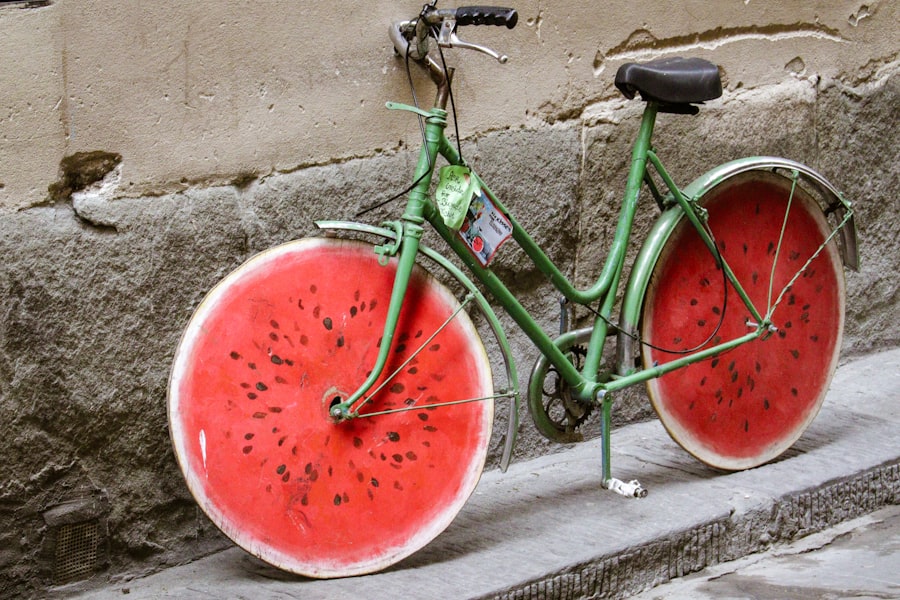
Despite the clear benefits of creativity in healthcare, several challenges can hinder its implementation. Time constraints are a significant barrier; busy schedules often leave little room for creative exploration or innovative thinking. Healthcare professionals may feel pressured to adhere strictly to established protocols, which can stifle their ability to experiment with new ideas or approaches.
Moreover, institutional resistance to change can pose obstacles to fostering creativity. Some organizations may prioritize traditional methods over innovative practices due to concerns about risk or uncertainty. To overcome these challenges, it is essential for healthcare leaders to advocate for a shift in mindset that embraces experimentation and recognizes the value of creative solutions.
By providing support and resources for creative initiatives, organizations can empower their staff to break free from conventional constraints and explore new possibilities.
The Connection Between Creativity and Healthcare Professional Well-being
The relationship between creativity and the well-being of healthcare professionals is an important aspect that deserves attention. Engaging in creative activities can serve as a form of self-care for healthcare workers who often face high levels of stress and emotional fatigue. Allowing time for creative expression—whether through art, music, or other forms—can provide an outlet for processing emotions and rejuvenating one’s spirit.
Additionally, fostering a culture of creativity within healthcare organizations can enhance job satisfaction and reduce burnout among staff. When professionals feel encouraged to think creatively and contribute their ideas, they are more likely to feel valued and engaged in their work. This sense of fulfillment not only benefits individual practitioners but also contributes to a more positive workplace environment overall.
Future Directions for Creativity in Healthcare
Looking ahead, the integration of creativity into healthcare practices is poised for growth as the industry continues to evolve. Advances in technology offer exciting opportunities for innovative approaches to patient care and professional training. For instance, virtual reality (VR) and augmented reality (AR) technologies have the potential to create immersive experiences that enhance therapeutic interventions or simulate complex medical scenarios for training purposes.
Moreover, interdisciplinary collaboration will likely play an increasingly important role in fostering creativity within healthcare settings. By bringing together professionals from diverse fields—such as art, psychology, medicine, and technology—healthcare organizations can cultivate a rich environment where innovative ideas flourish. As we move forward, embracing creativity as a core component of healthcare will be essential for addressing the complex challenges faced by patients and providers alike.
In conclusion, creativity is not merely an ancillary aspect of healthcare; it is a fundamental element that can transform patient care, enhance professional training, and promote overall well-being within the industry. By recognizing its value and actively fostering an environment conducive to creative thinking, healthcare organizations can pave the way for innovative solutions that improve outcomes for both patients and providers alike.