
Empathy is a complex emotional response that allows individuals to connect with and understand the feelings of others. At its core, empathy involves both cognitive and emotional components. The brain plays a crucial role in this process, with specific regions activated when we perceive the emotions of those around us.
For instance, the anterior insula and the anterior cingulate cortex are two areas that have been linked to the experience of empathy. When we witness someone in distress, these brain regions light up, enabling us to resonate with their feelings and respond appropriately. Research has shown that empathy is not merely a passive experience; it actively influences our behavior and decision-making.
When we empathize with someone, we are more likely to offer support or assistance, driven by an innate desire to alleviate their suffering. This neural wiring for empathy is thought to have evolved as a social bonding mechanism, fostering cooperation and community among humans. However, while empathy can enhance our relationships and promote prosocial behavior, it can also lead to emotional strain, particularly for those in caregiving roles.
Key Takeaways
- Empathy is a complex process involving the brain’s ability to understand and share others’ emotions.
- Caregivers can experience empathy overload, leading to burnout and negative impacts on their well-being.
- Chronic caregiver stress can have significant effects on the brain, affecting cognitive function and emotional regulation.
- Mirror neurons play a key role in caregivers experiencing others’ emotions as their own, contributing to empathy overload.
- Recognizing the signs of compassion fatigue is crucial for caregivers to prevent burnout and prioritize self-care.
The Impact of Caregiving: How Empathy Overload Can Lead to Burnout
Caregiving is a noble and often rewarding endeavor, but it can also be incredibly demanding. Individuals who take on caregiving responsibilities frequently find themselves immersed in the emotional experiences of those they care for. This deep level of engagement can lead to what is often referred to as “empathy overload.” When caregivers become overwhelmed by the emotions of others, they may struggle to maintain their own emotional well-being.
The constant exposure to the suffering of others can lead to feelings of helplessness and despair, ultimately resulting in burnout. Burnout is characterized by emotional exhaustion, depersonalization, and a diminished sense of personal accomplishment. Caregivers may find themselves feeling drained, detached, or even resentful towards those they care for.
This emotional toll can have significant consequences not only for the caregiver’s mental health but also for the quality of care they provide. When caregivers are unable to manage their own emotional responses, they may inadvertently become less effective in their roles, creating a cycle that perpetuates stress and dissatisfaction.
The Neurobiology of Stress: Understanding the Effects of Chronic Caregiver Stress on the Brain
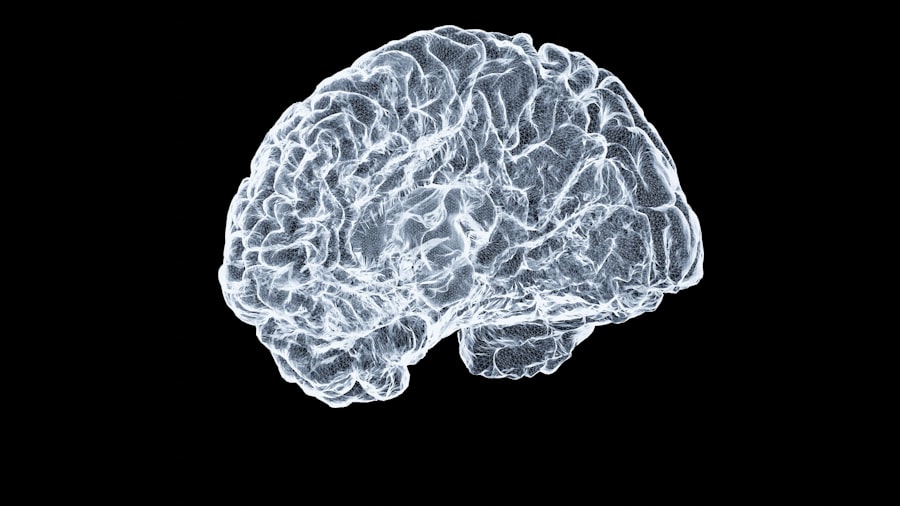
Chronic stress is a well-documented phenomenon that can have profound effects on both physical and mental health. For caregivers, the demands of their role can lead to sustained levels of stress that impact brain function and overall well-being. The neurobiology of stress reveals that prolonged exposure to stress hormones, such as cortisol, can alter brain structure and function.
This can result in changes to areas responsible for memory, emotional regulation, and decision-making. Research indicates that caregivers often experience heightened levels of anxiety and depression due to chronic stress. These emotional states can further exacerbate feelings of isolation and overwhelm, making it difficult for caregivers to seek help or engage in self-care practices.
Understanding the neurobiological effects of stress is essential for recognizing the importance of addressing caregiver well-being. By acknowledging the impact of chronic stress on the brain, caregivers can take proactive steps to mitigate its effects and prioritize their mental health.
The Role of Mirror Neurons: How Caregivers Experience Others’ Emotions as Their Own
Mirror neurons are a fascinating aspect of neuroscience that shed light on how we connect with others emotionally. These specialized brain cells activate both when we perform an action and when we observe someone else performing that same action. This mirroring mechanism is thought to play a significant role in empathy, allowing us to experience the emotions of others as if they were our own.
For caregivers, this means that witnessing the pain or joy of those they care for can evoke strong emotional responses. The activation of mirror neurons can be particularly intense in caregiving situations, where individuals are often attuned to the needs and feelings of others. While this capacity for empathy can enhance caregiving relationships, it can also lead to emotional fatigue.
Caregivers may find themselves feeling overwhelmed by the emotions they absorb from those they care for, leading to a sense of emotional blurring between themselves and their loved ones. Recognizing this phenomenon is crucial for caregivers as they navigate their roles and seek ways to maintain their emotional boundaries.
The Connection Between Empathy and Compassion Fatigue: Recognizing the Signs of Caregiver Burnout
Compassion fatigue is a term used to describe the emotional strain experienced by caregivers who are consistently exposed to the suffering of others. It is closely related to empathy overload but encompasses a broader range of emotional responses. Caregivers may find themselves feeling numb or detached from their own emotions as a protective mechanism against the overwhelming feelings they encounter daily.
This detachment can lead to a decline in overall well-being and an inability to provide effective care. Recognizing the signs of compassion fatigue is essential for caregivers seeking to maintain their mental health. Symptoms may include irritability, difficulty concentrating, changes in sleep patterns, and a sense of hopelessness.
By being aware of these signs, caregivers can take proactive steps to address their emotional needs before reaching a crisis point. This awareness not only benefits the caregiver but also enhances the quality of care provided to those they support.
The Importance of Self-Care: Strategies for Managing Empathy Overload and Preventing Burnout

Self-care is an essential component of maintaining emotional well-being for caregivers. It involves intentionally prioritizing one’s own physical, emotional, and mental health needs amidst the demands of caregiving. Implementing self-care strategies can help caregivers manage empathy overload and prevent burnout from taking hold.
Simple practices such as setting aside time for relaxation, engaging in hobbies, or seeking social support can make a significant difference in a caregiver’s overall well-being. Additionally, establishing boundaries is crucial for caregivers who often find it challenging to separate their own emotions from those they care for. Learning to say no when necessary and recognizing personal limits can help prevent feelings of overwhelm.
Caregivers should also consider incorporating regular physical activity into their routines, as exercise has been shown to reduce stress levels and improve mood. By prioritizing self-care, caregivers can cultivate resilience and sustain their ability to provide compassionate support.
The Power of Mindfulness: How Practicing Mindfulness Can Help Caregivers Regulate Their Empathic Responses
Mindfulness is a powerful practice that encourages individuals to focus on the present moment without judgment. For caregivers, incorporating mindfulness techniques into their daily routines can be particularly beneficial in managing empathic responses. By cultivating awareness of their own emotions and thoughts, caregivers can create space between themselves and the feelings they absorb from others.
This practice allows them to respond more thoughtfully rather than reactively when faced with challenging situations. Mindfulness techniques such as meditation, deep breathing exercises, or mindful walking can help caregivers ground themselves amidst the emotional turbulence that often accompanies caregiving roles. These practices promote relaxation and reduce stress levels while enhancing emotional regulation skills.
By fostering a mindful approach, caregivers can develop greater resilience against empathy overload and cultivate a more balanced perspective on their caregiving responsibilities.
Seeking Support: The Benefits of Seeking Professional Help and Building a Support Network for Caregivers
Seeking support is an essential aspect of maintaining well-being as a caregiver. Many individuals may feel isolated in their experiences or believe they must navigate challenges alone; however, reaching out for help can be transformative. Professional support from therapists or counselors who specialize in caregiver issues can provide valuable insights and coping strategies tailored to individual needs.
In addition to professional help, building a support network with other caregivers can create a sense of community and shared understanding. Connecting with others who face similar challenges fosters an environment where individuals can share experiences, offer encouragement, and exchange practical advice. Whether through support groups or informal gatherings with friends and family, having a reliable support system is vital for caregivers seeking to navigate the complexities of their roles while prioritizing their own well-being.
In conclusion, understanding the science behind empathy and its impact on caregivers is crucial for promoting mental health and well-being in this demanding role. By recognizing the challenges associated with empathy overload and implementing strategies for self-care and mindfulness, caregivers can cultivate resilience while providing compassionate support to those in need. Seeking professional help and building supportive networks further enhances caregivers’ ability to thrive amidst the emotional demands they face daily.