
In recent years, the healthcare industry has witnessed a significant transformation due to the rapid advancement of technology. While these innovations have undoubtedly improved patient care and operational efficiency, they have also introduced new challenges for healthcare workers. The demands of modern healthcare, coupled with the pressures of technology, can lead to increased stress and burnout among professionals.
The constant connectivity afforded by digital tools can blur the lines between work and personal life, making it difficult for healthcare workers to find time for self-care and relaxation. Moreover, the reliance on technology can sometimes create a sense of isolation among healthcare workers. While digital communication tools facilitate collaboration and information sharing, they can also detract from face-to-face interactions that are vital for emotional support.
The pressure to stay updated with the latest technologies and protocols can further exacerbate feelings of inadequacy and overwhelm. As healthcare professionals navigate these complexities, it becomes increasingly important to prioritize their wellness and mental health, ensuring they have the support they need to thrive in their demanding roles.
Key Takeaways
- Technology has both positive and negative impacts on healthcare worker wellness, with potential for stress reduction and burnout prevention, but also risks of increased screen time and information overload.
- Digital tools such as meditation apps, stress management platforms, and mindfulness programs can be effective in supporting healthcare workers’ mental health and wellbeing.
- Telemedicine offers convenient and accessible mental health support for healthcare workers, addressing barriers such as stigma and time constraints.
- Wearable technology, such as fitness trackers and smartwatches, can monitor healthcare workers’ physical and mental wellbeing, providing valuable data for early intervention and prevention.
- Online therapy and counseling services cater specifically to the needs of healthcare professionals, offering flexible and confidential support for mental health challenges.
Digital Tools for Stress Management and Mindfulness
In response to the growing awareness of mental health challenges faced by healthcare workers, a variety of digital tools have emerged to promote stress management and mindfulness. These resources are designed to help professionals cultivate resilience and maintain a sense of balance amidst the chaos of their work environments. Mindfulness apps, for instance, offer guided meditations, breathing exercises, and relaxation techniques that can be easily integrated into a busy schedule.
By taking just a few minutes each day to engage in mindfulness practices, healthcare workers can reduce stress levels and enhance their overall well-being. Additionally, digital platforms that focus on stress management often provide educational resources and community support. These platforms may include forums where healthcare workers can share their experiences, seek advice, and connect with others who understand their unique challenges.
By fostering a sense of community, these tools can help combat feelings of isolation and promote a culture of wellness within the healthcare profession. As more healthcare workers embrace these digital solutions, the potential for improved mental health outcomes becomes increasingly promising.
Telemedicine and Mental Health Support for Healthcare Workers

Telemedicine has revolutionized the way healthcare is delivered, offering convenience and accessibility to both patients and providers. For healthcare workers themselves, telemedicine has also emerged as a valuable resource for mental health support. With the ability to connect with mental health professionals from the comfort of their own homes or during breaks at work, healthcare workers can access therapy and counseling services without the barriers of time or travel.
This flexibility is particularly beneficial for those who may struggle to find time for in-person appointments due to their demanding schedules. Furthermore, telemedicine allows for a more personalized approach to mental health care. Healthcare workers can choose providers who specialize in understanding the unique stressors associated with their profession, ensuring that they receive tailored support.
The anonymity offered by virtual consultations can also encourage individuals to seek help who might otherwise hesitate due to stigma or fear of judgment. As telemedicine continues to evolve, it holds great promise for enhancing the mental well-being of healthcare professionals.
The Role of Wearable Technology in Monitoring Healthcare Worker Wellbeing
Wearable technology has gained popularity in recent years as a tool for monitoring physical health, but its potential extends far beyond fitness tracking. For healthcare workers, wearables can provide valuable insights into overall well-being by tracking vital signs, sleep patterns, and stress levels. By collecting data on these metrics, healthcare professionals can gain a better understanding of how their work environment impacts their health and make informed decisions about self-care.
Moreover, wearable devices often come equipped with features that promote mindfulness and stress reduction. For example, some wearables offer guided breathing exercises or reminders to take breaks throughout the day. By integrating these functionalities into their daily routines, healthcare workers can proactively manage stress and prioritize their mental health.
As technology continues to advance, the role of wearables in supporting healthcare worker wellness is likely to expand, offering even more innovative solutions for monitoring and improving well-being.
Online Therapy and Counseling for Healthcare Professionals
The rise of online therapy has transformed the landscape of mental health support for many individuals, including healthcare professionals. With the convenience of virtual sessions, healthcare workers can access therapy from anywhere, making it easier to fit mental health care into their busy lives. Online therapy platforms often provide a range of options, including video calls, chat-based sessions, and even voice calls, allowing individuals to choose the format that best suits their needs.
One of the key advantages of online therapy is the ability to connect with therapists who specialize in working with healthcare professionals. These therapists understand the unique challenges faced by those in the field and can offer tailored strategies for coping with stress and burnout. Additionally, online therapy can help reduce stigma by providing a discreet way for healthcare workers to seek help without fear of judgment from colleagues or supervisors.
As more professionals turn to online therapy as a viable option for mental health support, it is essential to continue advocating for accessible and effective resources.
Mobile Apps for Mental Health Support and Self-Care
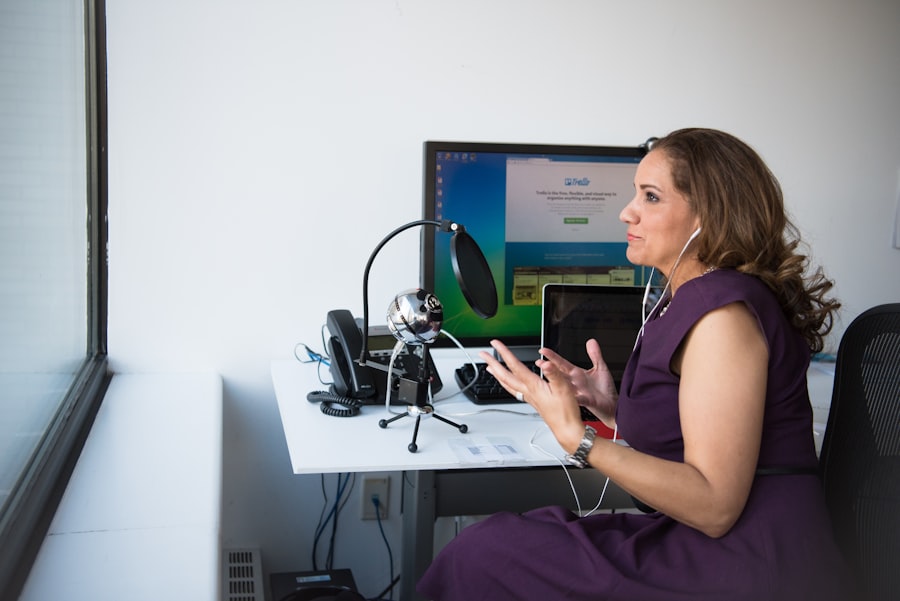
Mobile applications have become an integral part of daily life for many individuals, offering a wide range of functionalities that extend into mental health support and self-care. For healthcare workers seeking to prioritize their well-being, there are numerous apps designed specifically to address their needs. These applications often include features such as mood tracking, guided meditations, journaling prompts, and self-care reminders that encourage users to take time for themselves amidst their demanding schedules.
The convenience of mobile apps allows healthcare professionals to engage in self-care practices whenever they have a moment to spare—whether during a lunch break or while commuting. By incorporating these tools into their daily routines, healthcare workers can cultivate healthier habits and develop greater awareness of their mental health needs. Furthermore, many apps foster community engagement by connecting users with others who share similar experiences, creating a supportive network that can enhance resilience and well-being.
Virtual Reality and Mental Health Interventions for Healthcare Workers
Virtual reality (VR) technology is emerging as an innovative tool for mental health interventions among healthcare workers. By immersing individuals in simulated environments designed to promote relaxation or mindfulness, VR can provide a unique escape from the stresses of everyday life. For instance, VR experiences may transport users to serene landscapes or guided meditation sessions that encourage deep relaxation and stress relief.
Research has shown that VR can be effective in reducing anxiety and improving overall mental well-being. For healthcare professionals facing high levels of stress or burnout, these immersive experiences offer a novel approach to self-care that goes beyond traditional methods. As VR technology continues to advance and become more accessible, its potential as a therapeutic tool for healthcare workers is likely to expand further.
Data Privacy and Ethical Considerations in Using Digital Tools for Healthcare Worker Wellness
While digital tools offer numerous benefits for promoting wellness among healthcare workers, it is essential to address the data privacy and ethical considerations associated with their use. Many applications and platforms collect sensitive information about users’ mental health status and personal experiences. Ensuring that this data is handled securely and ethically is paramount in maintaining trust between healthcare professionals and the technology they use.
Healthcare organizations must prioritize transparency regarding how data is collected, stored, and utilized when implementing digital wellness tools. Additionally, it is crucial to establish guidelines that protect users’ privacy while still allowing for valuable insights into overall trends in worker wellness. By addressing these concerns proactively, the healthcare industry can foster an environment where technology enhances well-being without compromising individual rights or confidentiality.
In conclusion, as technology continues to shape the landscape of healthcare, it is vital to recognize its impact on worker wellness. By leveraging digital tools for stress management, telemedicine support, wearable technology monitoring, online therapy options, mobile apps for self-care, virtual reality interventions, and addressing ethical considerations surrounding data privacy, we can create a more supportive environment for healthcare professionals. Prioritizing their mental health not only benefits individual workers but ultimately enhances patient care and outcomes within the entire healthcare system.