
Diversity and inclusion are not just buzzwords; they are essential components of effective healthcare wellness programs. A diverse participant base brings a wealth of perspectives, experiences, and needs that can enhance the overall effectiveness of these programs. When individuals from various backgrounds come together, they contribute unique insights that can lead to more comprehensive and culturally sensitive health solutions.
This diversity fosters an environment where everyone feels valued and understood, which is crucial for promoting engagement and participation in wellness initiatives. Moreover, inclusive healthcare programs can significantly improve health outcomes for marginalized communities. By recognizing and addressing the specific health challenges faced by different demographic groups, wellness programs can tailor their offerings to meet the unique needs of each population.
This targeted approach not only enhances the relevance of the programs but also builds trust within communities that may have historically felt overlooked or misunderstood by the healthcare system. Ultimately, prioritizing diversity and inclusion in wellness programs leads to a more equitable healthcare landscape, where all individuals have the opportunity to thrive.
Key Takeaways
- Diversity and inclusion in healthcare wellness programs are crucial for addressing the unique needs of a diverse patient population and promoting health equity.
- Strategies for recruiting a diverse group of participants include targeted outreach, culturally sensitive messaging, and partnering with community organizations.
- Creating inclusive and accessible wellness programs involves considering diverse cultural and linguistic needs, providing accommodations, and ensuring physical accessibility.
- Addressing cultural and linguistic barriers in healthcare wellness programs requires offering language interpretation services, providing culturally competent care, and respecting diverse beliefs and practices.
- Training and educating staff on diversity and inclusion is essential for promoting cultural competence, understanding implicit biases, and providing respectful and equitable care to all participants.
Strategies for Recruiting a Diverse Group of Participants
Building Trust through Community Partnerships
One effective approach is to leverage community partnerships. Collaborating with local organizations that serve diverse populations can help bridge the gap between healthcare providers and potential participants. These organizations often have established trust within their communities, making them invaluable allies in promoting wellness initiatives.
Targeted Marketing Efforts
Another strategy involves utilizing targeted marketing campaigns that reflect the diversity of the community. This includes creating promotional materials in multiple languages and featuring images and testimonials from individuals representing different backgrounds. By showcasing diversity in marketing efforts, healthcare organizations signal their commitment to inclusivity, encouraging individuals from various demographics to participate.
Incentives for Participation
Additionally, offering incentives such as free health screenings or wellness workshops can attract a broader audience, making participation more appealing to those who may be hesitant to engage with healthcare services.
Creating Inclusive and Accessible Wellness Programs

Creating inclusive and accessible wellness programs is essential for ensuring that all individuals can participate fully. This begins with understanding the specific barriers that different populations may face when accessing healthcare services. For instance, physical accessibility is crucial for individuals with disabilities, while transportation options may be a significant concern for those living in rural areas.
By conducting thorough assessments of these barriers, healthcare providers can implement solutions that enhance accessibility, such as offering virtual program options or providing transportation assistance. In addition to physical accessibility, it is vital to consider the cultural relevance of wellness programs. This means designing initiatives that resonate with the values and beliefs of diverse populations.
For example, incorporating traditional health practices or dietary preferences into wellness programming can make participants feel more comfortable and engaged. Furthermore, creating a welcoming environment where participants feel safe to express their identities fosters a sense of belonging that is essential for successful program outcomes.
Addressing Cultural and Linguistic Barriers in Healthcare Wellness Programs
Cultural and linguistic barriers can significantly hinder participation in healthcare wellness programs. To address these challenges, it is essential to provide resources that cater to the diverse needs of participants. This may include offering materials in multiple languages or employing bilingual staff who can facilitate communication with non-English speaking participants.
By ensuring that language is not a barrier, healthcare providers can create a more inclusive environment where everyone feels empowered to engage in their health journey. Cultural competence training for staff is another critical component in overcoming these barriers. Educating healthcare professionals about the cultural nuances and health beliefs of various communities can enhance their ability to connect with participants on a deeper level.
This understanding fosters trust and encourages open dialogue, allowing participants to feel more comfortable discussing their health concerns. By actively addressing cultural and linguistic barriers, wellness programs can create an environment where all individuals feel respected and valued.
Training and Educating Staff on Diversity and Inclusion
Training and educating staff on diversity and inclusion is fundamental to the success of healthcare wellness programs. Staff members are often the first point of contact for participants, making it crucial for them to embody the values of inclusivity and respect. Comprehensive training programs should cover topics such as unconscious bias, cultural competence, and effective communication strategies.
By equipping staff with the knowledge and skills necessary to engage with diverse populations, healthcare organizations can foster a more welcoming atmosphere. Moreover, ongoing education is essential for maintaining awareness of evolving diversity issues within healthcare. Regular workshops or seminars can provide staff with updates on best practices and emerging trends related to diversity and inclusion.
Encouraging open discussions about these topics can also create a culture of continuous learning within the organization. When staff members are well-informed and committed to inclusivity, they are better positioned to support participants from all backgrounds effectively.
Building a Supportive and Inclusive Environment for Participants
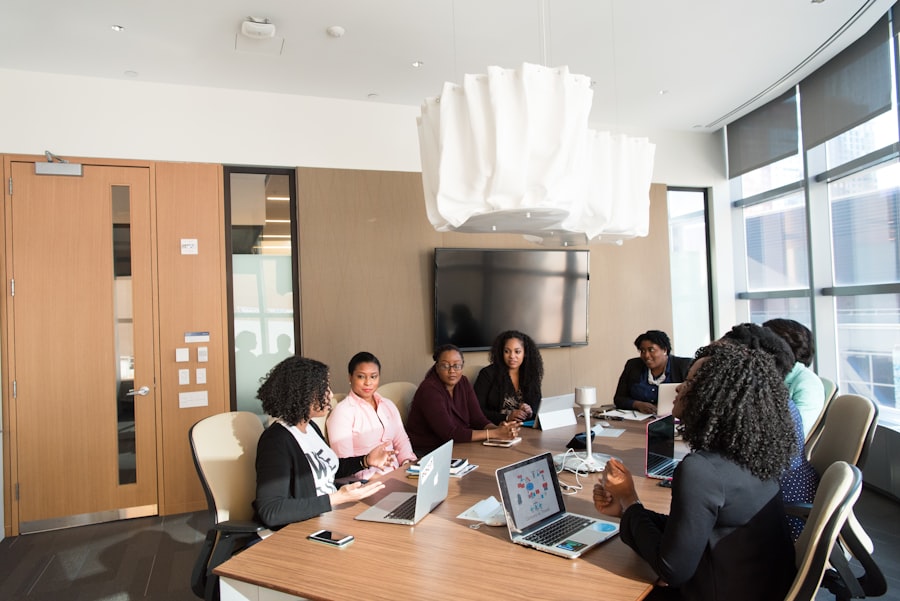
Building a Sense of Community
Establishing support groups or peer mentorship programs can provide participants with a sense of community and belonging, allowing them to connect with others who share similar experiences. These connections can be particularly beneficial for individuals from marginalized backgrounds who may feel isolated in their health journeys.
Open Communication and Feedback
Actively seeking feedback from participants about their experiences within the program is crucial for continuous improvement. Creating channels for open communication allows participants to voice their concerns or suggestions, demonstrating that their input is valued.
Responsive Program Development
By incorporating participant feedback into program development, healthcare organizations can ensure that their offerings remain relevant and responsive to the needs of diverse populations.
Evaluating the Effectiveness of Diversity and Inclusion Efforts in Healthcare Wellness Programs
Evaluating the effectiveness of diversity and inclusion efforts in healthcare wellness programs is essential for measuring progress and identifying areas for improvement. This evaluation process should include both quantitative and qualitative metrics to provide a comprehensive understanding of program impact. For instance, tracking participation rates among different demographic groups can reveal whether outreach efforts are successful in engaging diverse populations.
Qualitative feedback from participants can also offer valuable insights into their experiences within the program. Conducting surveys or focus groups can help gather information about participants’ perceptions of inclusivity and accessibility. Analyzing this data allows healthcare organizations to assess whether their diversity initiatives are meeting their intended goals or if adjustments are necessary.
By regularly evaluating these efforts, organizations can ensure that they remain committed to fostering an inclusive environment for all participants.
Collaborating with Diverse Community Organizations for Outreach and Engagement
Collaboration with diverse community organizations is a powerful strategy for enhancing outreach and engagement in healthcare wellness programs. These organizations often have established relationships within their communities, making them ideal partners for promoting health initiatives. By working together, healthcare providers can tap into existing networks to reach individuals who may not otherwise engage with traditional healthcare services.
Furthermore, community organizations can provide valuable insights into the specific needs and preferences of diverse populations. This information can inform program development, ensuring that offerings are culturally relevant and accessible. Joint events or workshops hosted by both healthcare providers and community organizations can also create opportunities for meaningful engagement, allowing participants to learn about available resources while building connections within their communities.
Through collaboration, healthcare wellness programs can expand their reach and impact, ultimately contributing to improved health outcomes for all individuals involved.