
In the fast-paced world of modern healthcare, professionals often find themselves under immense pressure. The demands of patient care, administrative responsibilities, and the emotional toll of witnessing suffering can lead to significant stress and burnout. As a result, there is a growing recognition of the need for healthcare providers to prioritize their own well-being.
This article delves into the ancient practices that have stood the test of time, offering valuable insights and tools for contemporary healthcare challenges. By exploring these time-honored methods, we can uncover pathways to healing that not only benefit healthcare professionals but also enhance the quality of care they provide to their patients. The concept of “healing the healer” is rooted in the understanding that those who care for others must also care for themselves.
Ancient practices from various cultures have long emphasized the importance of balance, self-care, and holistic well-being. By integrating these practices into modern healthcare settings, we can create a more supportive environment for healthcare providers. This exploration will highlight the significance of addressing the mental, emotional, and spiritual aspects of well-being, ultimately fostering a healthier workforce capable of delivering compassionate care.
Key Takeaways
- Ancient healing practices can offer valuable support for modern healthcare challenges.
- Stress and burnout have a significant impact on the well-being of healthcare professionals.
- Mindfulness and meditation can be incorporated into healthcare settings to support the well-being of providers.
- Traditional herbal remedies and holistic therapies can complement modern healthcare practices.
- Yoga, Tai Chi, and other movement-based practices can benefit the physical and mental health of healthcare professionals.
Understanding the Impact of Stress and Burnout on Healthcare Professionals
The Physical and Emotional Toll of Burnout
This state of heightened anxiety can manifest in various ways, including physical symptoms such as fatigue, headaches, and gastrointestinal issues, as well as emotional symptoms like irritability, depression, and a sense of detachment from work.
The Consequences of Burnout on Patient Care
The consequences of burnout extend beyond the individual; they can compromise patient safety and satisfaction. Research has shown that healthcare professionals experiencing high levels of stress are more likely to make errors in judgment and exhibit decreased empathy towards patients. This creates a cycle where the well-being of healthcare providers directly impacts the quality of care delivered.
Breaking the Cycle: Promoting Resilience and Well-being
Recognizing these challenges is the first step toward implementing effective strategies that promote resilience and well-being among healthcare professionals.
The Role of Ancient Healing Practices in Supporting the Well-Being of Healthcare Providers
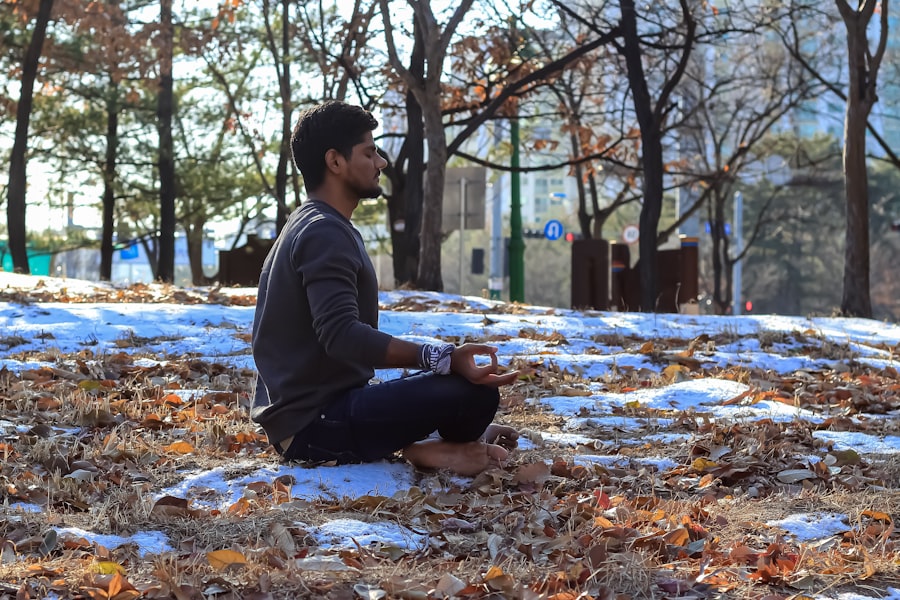
Ancient healing practices offer a wealth of knowledge that can be harnessed to support the well-being of healthcare providers. Many cultures have developed holistic approaches that emphasize the interconnectedness of mind, body, and spirit. For instance, traditional Chinese medicine incorporates practices such as acupuncture and herbal remedies to restore balance and promote healing.
Similarly, Indigenous healing traditions often involve rituals and community support to foster emotional and spiritual well-being. By integrating these ancient practices into modern healthcare settings, we can create a more comprehensive approach to wellness. These methods encourage self-reflection, mindfulness, and a deeper connection to one’s own health.
For healthcare professionals, engaging with these practices can provide a sense of grounding amidst the chaos of their daily responsibilities. Furthermore, embracing these time-tested approaches can foster a culture of wellness within healthcare organizations, ultimately benefiting both providers and patients alike.
Incorporating Mindfulness and Meditation into Healthcare Settings
Mindfulness and meditation have gained significant attention in recent years as effective tools for managing stress and enhancing overall well-being. Rooted in ancient contemplative traditions, these practices encourage individuals to cultivate present-moment awareness and develop a non-judgmental attitude towards their thoughts and feelings. For healthcare professionals, incorporating mindfulness into their daily routines can serve as a powerful antidote to the pressures they face.
Incorporating mindfulness practices into healthcare settings can take many forms. Simple techniques such as mindful breathing exercises or guided meditations can be integrated into staff meetings or break times. Additionally, creating designated quiet spaces within healthcare facilities allows providers to step away from their demanding roles and engage in self-care.
Research has shown that regular mindfulness practice can lead to reduced stress levels, improved focus, and enhanced emotional resilience—qualities that are essential for effective patient care.
Utilizing Traditional Herbal Remedies and Holistic Therapies in Healthcare
The use of traditional herbal remedies and holistic therapies has been a cornerstone of healing practices across cultures for centuries. These approaches emphasize the importance of treating the whole person rather than just addressing specific symptoms. For healthcare professionals seeking alternative methods to support their well-being, exploring herbal remedies can provide valuable insights into natural healing.
Herbal remedies such as chamomile for relaxation or ginseng for energy can be easily incorporated into daily routines. Additionally, holistic therapies like aromatherapy or massage can offer immediate relief from stress and tension. By embracing these natural approaches, healthcare providers can cultivate a deeper understanding of their own health needs while also gaining knowledge that may benefit their patients.
This holistic perspective fosters a more compassionate approach to care, as providers become more attuned to the diverse needs of those they serve.
Exploring the Benefits of Yoga and Tai Chi for Healthcare Professionals
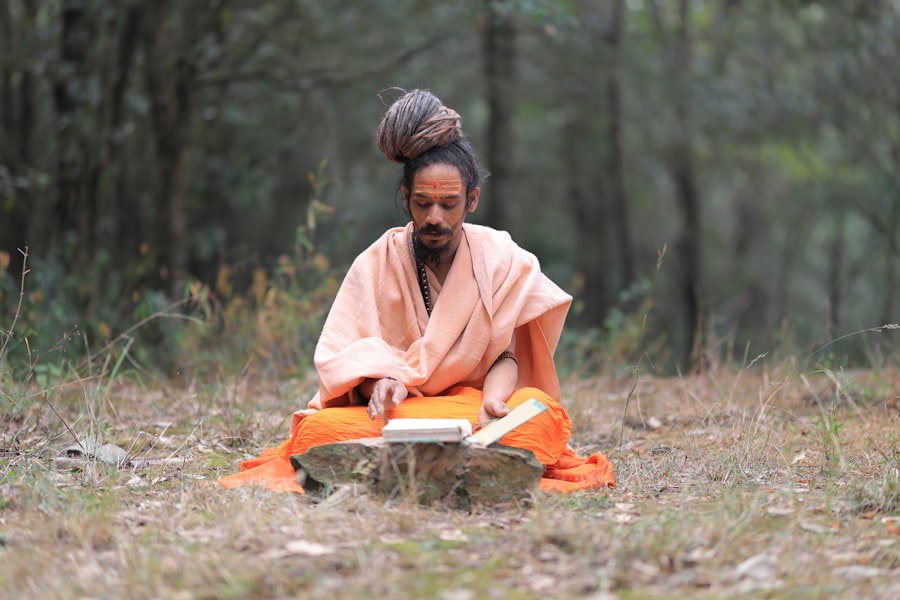
Customizable Practices for Healthcare Professionals
Yoga offers a variety of styles that cater to different needs, from gentle restorative classes to more vigorous flows that build strength and stamina. Tai Chi, often described as “meditation in motion,” promotes relaxation while improving balance and coordination. By participating in group classes or practicing individually, healthcare providers can create a sense of community while also prioritizing their own health.
Physical and Mental Benefits
The benefits of Yoga and Tai Chi extend beyond physical fitness; regular practice fosters mental clarity and emotional stability—qualities that are invaluable in high-pressure environments.
Transforming Healthcare through Mindfulness
By incorporating Yoga and Tai Chi into their routines, healthcare professionals can experience a profound impact on their overall well-being, leading to improved job performance, better patient care, and a more sustainable career in the healthcare industry.
The Power of Energy Healing and Reiki in Healthcare Environments
Energy healing modalities such as Reiki have gained popularity in recent years as complementary therapies within healthcare settings. These practices focus on channeling energy to promote relaxation and healing at both physical and emotional levels. For healthcare professionals facing daily challenges, energy healing can serve as a valuable tool for self-care.
Reiki sessions can be easily integrated into wellness programs for staff or offered as part of patient care initiatives. The gentle nature of this practice allows individuals to experience deep relaxation while fostering a sense of connection to themselves and others. Research has indicated that energy healing can reduce anxiety levels and promote overall well-being—benefits that are particularly relevant in high-stress environments like hospitals or clinics.
By embracing energy healing practices, healthcare providers can cultivate a greater sense of balance in their lives while enhancing their ability to support patients holistically.
Implementing Rituals and Ceremonies to Support Healing and Well-Being in Healthcare Settings
Rituals and ceremonies have long been integral components of healing traditions across cultures. These practices create a sense of community, foster connection, and provide opportunities for reflection and gratitude. In modern healthcare settings, implementing rituals can serve as powerful tools for supporting the well-being of both providers and patients.
Simple rituals such as daily check-ins among staff or gratitude circles can help cultivate a positive work environment where individuals feel valued and supported. Ceremonies marking significant events—such as honoring those who have passed away or celebrating milestones in recovery—can foster a sense of closure and connection among team members. By incorporating these practices into the fabric of healthcare organizations, we create spaces where healing is not only possible but actively encouraged.
In conclusion, exploring ancient practices offers valuable insights into addressing the modern challenges faced by healthcare professionals. By prioritizing self-care through mindfulness, herbal remedies, yoga, energy healing, and rituals, we can create a culture that values the well-being of those who dedicate their lives to caring for others. As we embrace these time-honored methods, we pave the way for healthier providers who are better equipped to deliver compassionate care to their patients.